Networks Are Everywhere
Right now, the device you are reading this on is part of a network. Your home Wi-Fi, your workplace internet, even the cellular signal on your phone — they are all networks. But what exactly is ?
At its simplest, a network is two or more devices connected together so they can share information. That is it. Two phones connected via Bluetooth? Network. Your laptop connected to a printer? Network. Billions of devices connected across the globe? That is the Internet — the biggest network of all.
Why Do We Need Networks?
Before networks, every computer was an island. If you wanted to send a file to someone, you copied it onto a floppy disk and physically walked it over. People actually called this sneakernet — because your sneakers were the network.
Networks changed everything:
- Communication — Email, video calls, instant messaging
- Sharing — Files, printers, internet connections
- Collaboration — Google Docs, Slack, remote work
- Entertainment — Streaming, online gaming, social media
The Two Types You Need to Know
LAN (Local Area Network)
A LAN covers a small area — your home, an office, a school. Your home Wi-Fi is a LAN. Everything connects through a router, and the network is fast because the devices are close together.
WAN (Wide Area Network)
A WAN connects LANs across large distances. The Internet is the biggest WAN. When you send an email to someone in another country, your data travels from your LAN, across multiple WANs, to their LAN.
What Makes It All Work?
Three key ingredients make networks function:
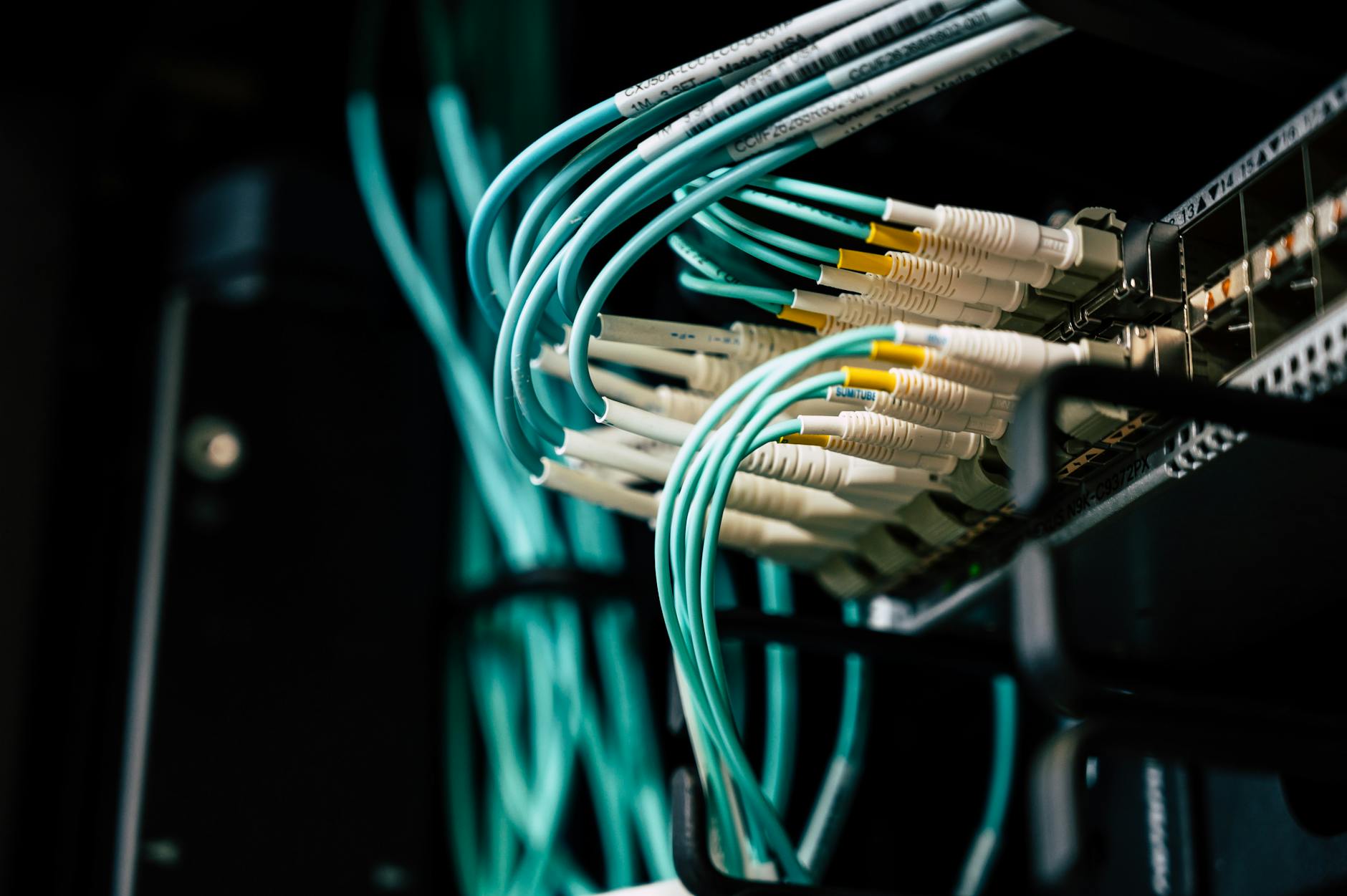
- A medium — the path data travels on (copper cables, fiber optic, radio waves for Wi-Fi)
- Protocols — rules that devices follow to communicate (like TCP/IP, the language of the internet)
- Addresses — every device gets a unique address (IP address) so data reaches the right destination
In our next article, we will dive deeper into IP addresses — your device's home address on the internet. Understanding this is the foundation for everything else in networking.
This is part of the DSA Labs Networking series. Follow us for weekly beginner-friendly tech content.