Test heading
Test paragraph ragas — the foundation of Indian classical music, a tradition spanning over 3,000 years.
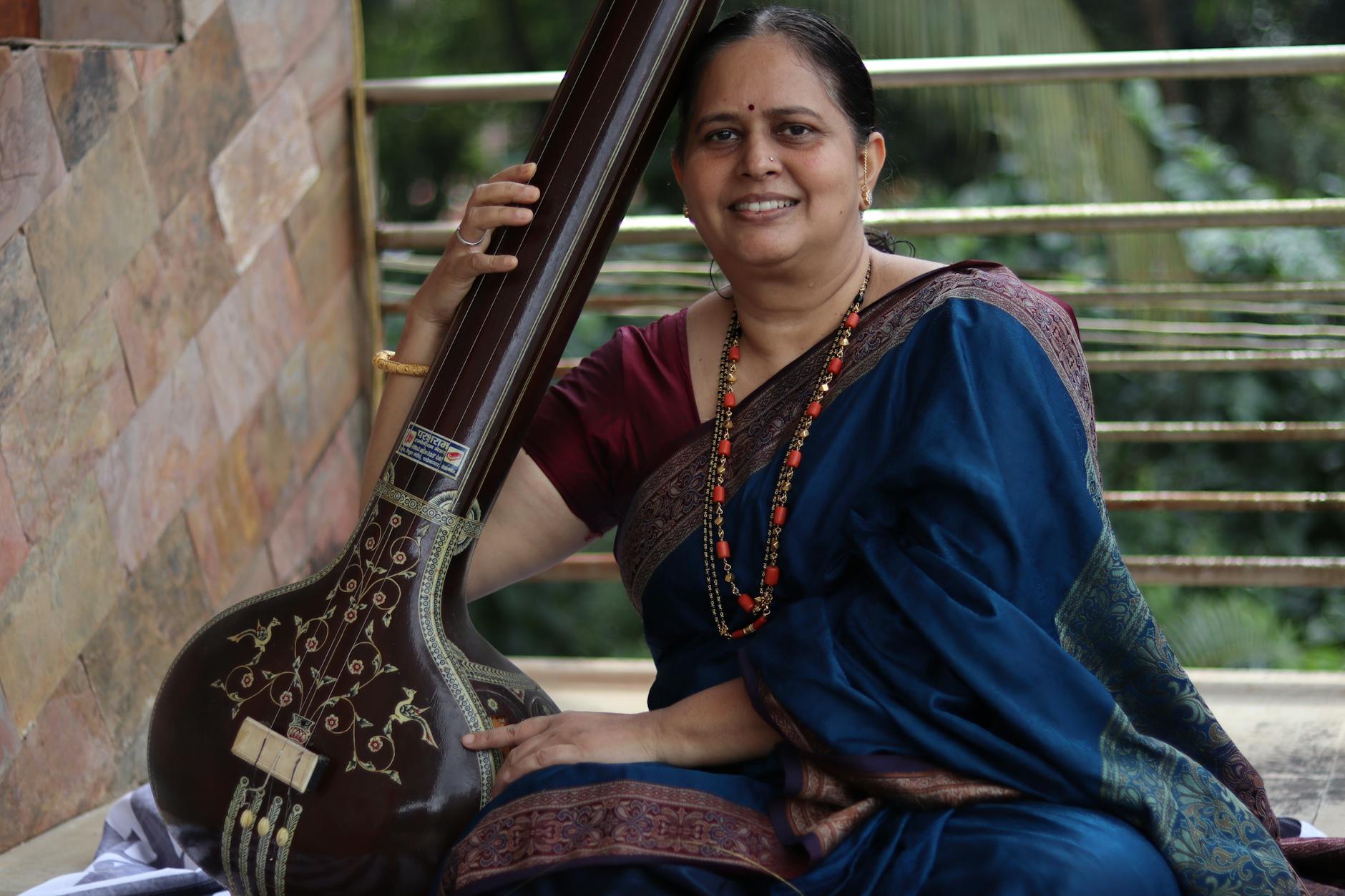
If you have ever heard a sitar playing at sunset and felt an inexplicable sense of peace, you were experiencing a raga at work.
So What Exactly Is a Raga?
A raga is not a song. It is not a scale, though it uses specific notes. It is not a melody, though it creates melodies. A raga is best understood as a melodic framework — a set of rules and moods that guide a musician in creating music.
Think of it this way: if Western music gives you a recipe, a raga gives you ingredients, a cooking technique, and a mood to aim for. The dish you create is different every time, but it always has the same essence.
The Key Elements of a Raga
- Arohana — the ascending pattern of notes
- Avarohana — the descending pattern of notes
- Vadi — the most important note (the king of the raga)
- Samvadi — the second most important note (the minister)
- Pakad — a signature phrase that identifies the raga
Ragas and Emotions (Rasa)
Every raga is associated with a rasa — an emotional flavour:
- Raga Yaman — devotion, peace, longing (evening raga)
- Raga Bhairav — solemnity, awakening (early morning)
- Raga Malkauns — deep meditation, mystery (late night)
- Raga Desh — romance, monsoon, joy (rainy season)
How to Start Listening
You do not need to understand music theory to enjoy a raga. Start here:
- Find a quiet moment — ragas reward patience
- Listen to thealaap (the slow opening) — this is where the raga reveals itself
- Notice how certain notes are emphasized and repeated
- Pay attention to how the music makes you feel, not what you think about it
In our next article, we explore tabla and the fascinating rhythmic cycles (tala) that pulse underneath every raga performance.